
Red Centre Highlights
Immerse your students in the breathtaking landscapes and ancient culture of Central Australia on this perfectly paced 7-day safari excursion. From the iconic silhouette of Uluru at sunset to the dramatic walls of Kings Canyon, this comprehensive tour showcases the Red Centre’s most spectacular natural wonders while providing authentic insights into Aboriginal heritage and outback life that will inspire and educate in equal measure.
Highlights
7 Day Red Centre Highlights
Highlights include:
- Coober Pedy
- Woomera
- Umoona Opal Mine and Museum
- Kings Canyon
- Lilla Community
- Watarrka National Park
- Uluru (Ayers Rock)
- Kata-Tjuta (The Olgas)
Tour Itinerary
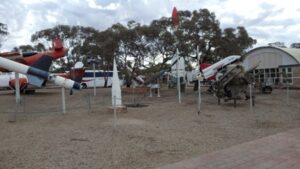
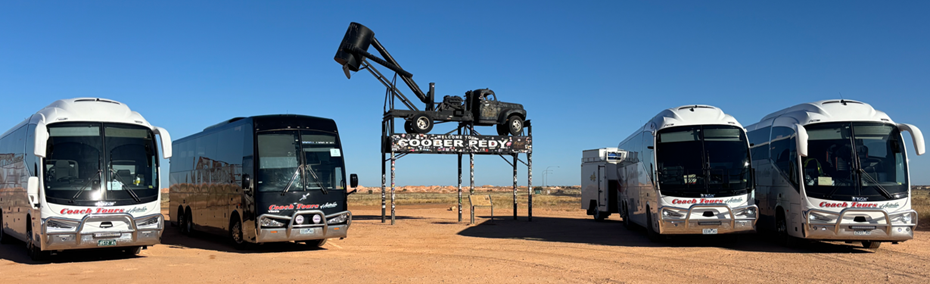
Travelling between Adelaide and the opal mining town of Coober Pedy, we make a lunch stop at the Woomera Missile Park.
The Woomera Missile Park is an outdoor museum, showcasing the town’s Cold War history as a premier rocket range. Maintained by the Department of Defence, it displays dozens of historic missiles, rockets, drones, and aircraft from the 1947-1972 heyday, located near the still-active RAAF Woomera Range Complex.
The outdoor museum features rockets such as the Black Arrow, missiles and drones as well as a Meteor Mark 7 jet.
Time permitting, you may get the opportunity to visit the Woomera Heritage Centre and Rocket Range Museum, which showcases the town’s history as a Cold War-era rocket testing site. It features displays on rocket trials, the Joint Defence Facility at Nurrungar.
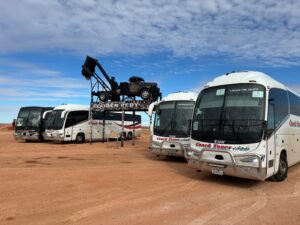
What a wonderful opportunity for students to not only visit Coober Pedy (considered the opal capital of the world) but also get the chance to sleep underground.
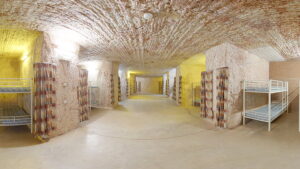
On arrival at your accommodation in Coober Pedy, the Umoona Opal Mine and Museum, you will be met by one of their experienced staff and taken on a guided town tour including an underground church (maybe an extra cost) and other sites of interest in their town. Afterwards, you return to the accommodation for a short mine tour, an opal cutting and polishing demonstration and are shown their award winning documentary, The Story of Opal.
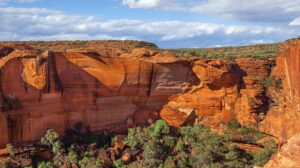
Kings Canyon, located in the Northern Territory within the Watarrka National Park, is a massive 270-meter-deep chasm featuring 100-meter-high sheer sandstone walls, ancient palm-filled crevices and a ‘Garden of Eden’ waterhole.
On visiting Kings Canyon, you can choose from a number of walks, all differing from reasonably easy to the more difficult ‘Rim Walk’. the Rim Walk is the most famous and spectacular of the walks. The first part of the walk is an ascent of 1000 steps, with several places to stop and rest, however if you take it slow and easy, you’ll find that the rest of the walk is pretty easy going, once you’ve reached the top!
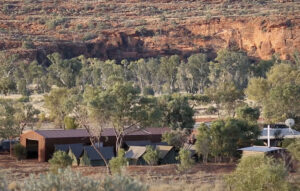
Lilla is an aboriginal outstation community located in the Watarrka National Park. In the native tongue of the Luritja country, Lilla means ‘sweet water’. If you visit Lilla you will get a chance to drink the best tasting water that has been filtered through the Mereenie sandstone from underground springs.
On arrival you will be taken on a 4 cultural activity session which includes a cultural welcoming ceremony performed by the traditional land-owners (the Luritja people), learn how to use traditional hunting weapons (like the boomerang), learn to paint in the traditional Luritja way and much more.
The highlight for most schools, when visiting Lilla, is the opportunity to spend time with the children of Lilla – it’s a highlight for them as well!
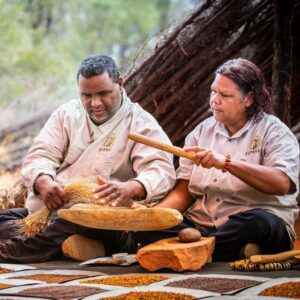
Karrke Aboriginal Cultural Experience and Tour is a business owned and operated by First Nations people, established in 2014.
Their cultural tour consists of a one-hour walk and discussion. They provide visitors with insights into their rich cultural history, language, and customs as handed down through generations of the Luritja and Pertame (Southern Arrernte) desert peoples. The tour features shaded display areas showcasing bush foods, traditional bush medicine practices, wooden artifacts used by men and women, such as spears and boomerangs, traditional trading methods, a vast collection of organic tree seeds used by women for jewellery, and much more.
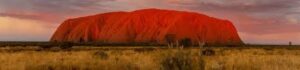
Uluru-Kata Tjuta National Park
Kata Tjuṯa National Park (officially Uluṟu-Kata Tjuṯa) in Australia’s Red Centre is a spectacular World Heritage-listed landscape.
Aṉangu welcome you to Uluṟu-Kata Tjuṯa National Park, a living cultural landscape where earth and memories exist as one. More than just a photo opportunity, the iconic rock formations hide ancient wisdom and diverse plant and animal life.
Look closer to discover an awe-inspiring environment where Tjukurpa whispers the creation stories.
Guided Tour – Uluru
You will be joined on-board your coach by an Accredited Guide (plus an Anangu, for extra cost), who will take you on a tour around Uluru including Muṯitjulu Waterhole. Located on the eastern side of Uluru, it is one of the few permanent water sources around the base of the rock and features stunning surrounding rock art. It’s a serene, shady area accessed via the short, 1 km Kuniya Walk. Swimming is not permitted, as it is a deeply significant cultural
Mala Walk (Self-guided)
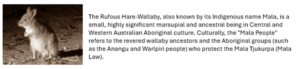
The Mala Walk is an easy, 2 km return trail at the base of Uluṟu. It takes about 1.5 hours to complete and leads to the spectacular Kaṉtju Gorge. Along the path, you’ll see ancient caves, Aṉangu rock art, and learn the cultural history of the Mala (rufous hare-wallaby) people.
Uluru-Kata Tjuta Cultural Centre
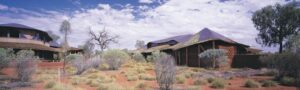
Gain an understanding of the spiritual significance of the Kata Tjuta to traditional owners and see how the land furnished them with food, fuel, weapons and medicines. Learn how women and children collected bush foods like desert raisins, bush plums and native figs, and how men used spear throwers to hunt goanna and red kangaroos.
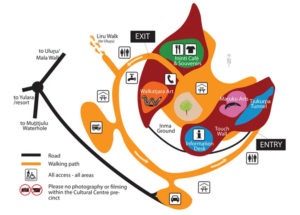
Art Galleries
Uluṟu-Kata Tjuṯa National Park has two galleries showcasing Aṉangu art and crafts – Maṟuku Arts and Walkatjara Art:
Maruku Arts Gallery: A visit to the Maṟuku Arts Gallery (Puṉuku Ngura) at the Uluṟu-Kata Tjuṯa Cultural Centre gives visitors the chance to experience the diverse art from the centre of Australia, while gaining an understanding and appreciation of Ngaanyatjarra, Pitjantjatjara and Yankunytjatjara cultural practices.
The Gallery is home to handcrafted puṉu (traditional wood art, tools, and weapons) and other artistic works that are sourced from more than 500 artists, from over twenty remote Aboriginal communities and Homelands across the Central and Western Desert region, including the local Muṯitjulu community.
Walkatjara Art: Walkatjara Art is Muṯitjulu Community’s Art Centre, owned and directed by Aṉangu. The name Walkatjara is a Pitjantjatjara/Yankunytjatjara word. ‘Walka’ means ‘designs, meaning marks’ and ‘tjara’ means ‘having’.
Walkatjara is located at the Cultural Centre in the Uluṟu-Kata Tjuṯa National Park. Visitors are welcome at the Art Centre to see artists at work and learn about Aṉangu Culture and the stories behind the paintings. By purchasing artworks from Walkatjara, visitors directly support the Muṯitjulu community.
Tjukurpa Tunnel:
As you approach the entrance to the Tjukurpa Tunnel, you will be surrounded by the sound of the winds created by Uluṟu and voices chanting inma (ceremonial songs).
Entering the tunnel transports you back to the beginning of time. It features Aṉangu art, and explanations of Aṉangu law, traditions and appropriate behaviour.
Entering the tunnel transports you back to the beginning of time. It features Aṉangu art, historical documentaries, and explanations of Aṉangu law, traditions and appropriate behaviour.
For cultural reasons, no photography is allowed in the Tjukurpa Tunnel.
The Tjukurpa Tunnel is a self-guided experience. Keep quiet and take your time to understand the depth and breadth of the lessons taught here.
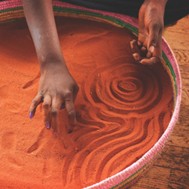
Sunset Nibbles & (soft) Drinks – Uluru
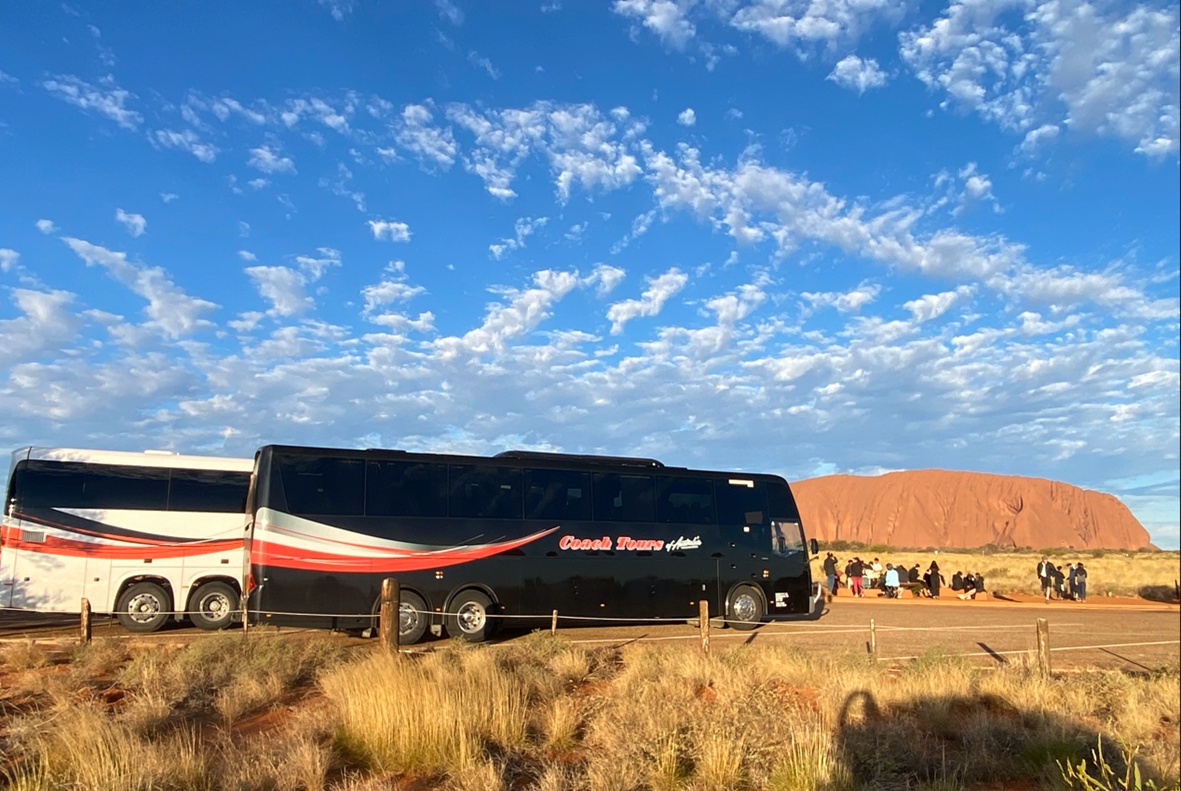
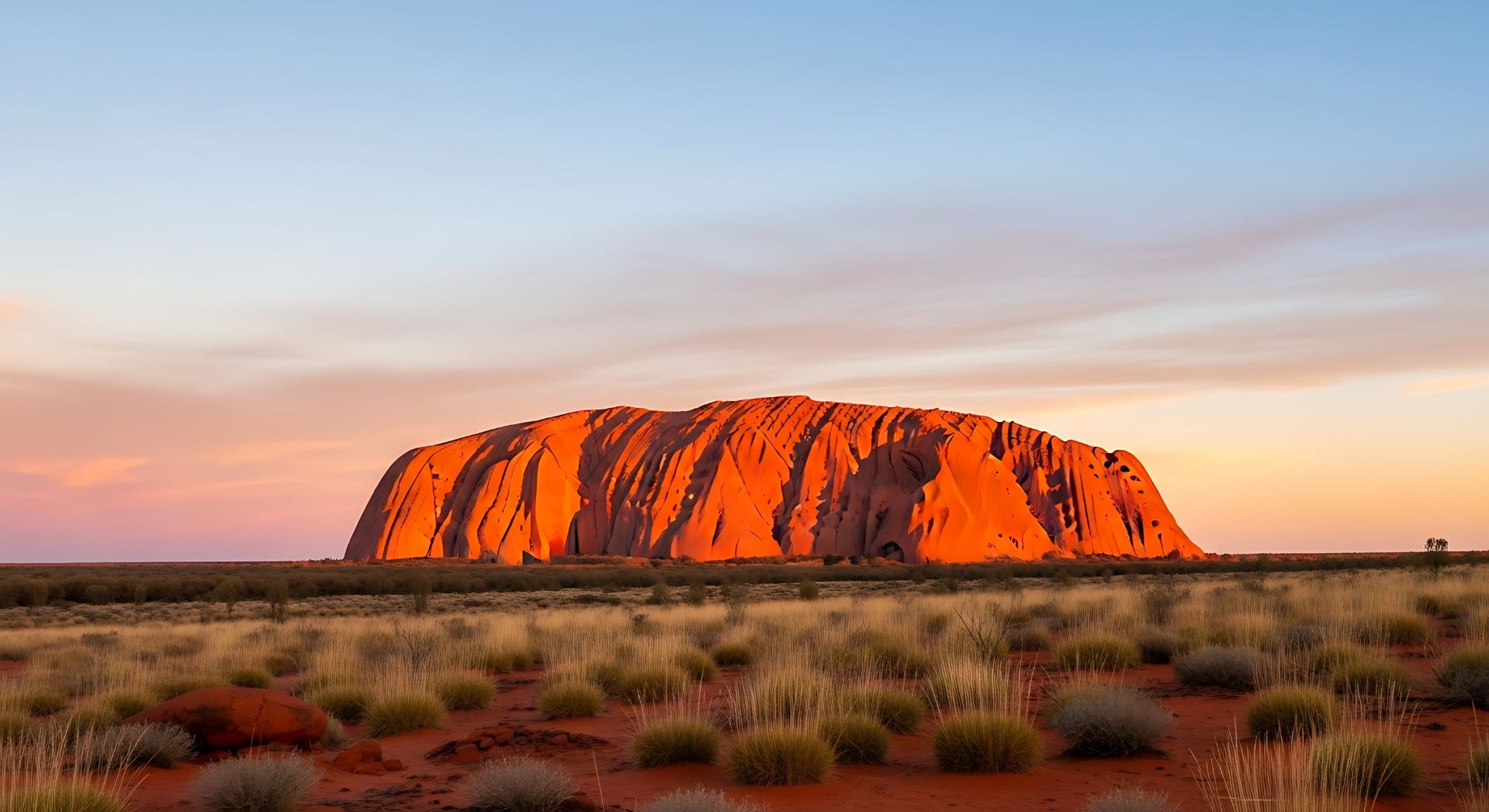
Something that cannot be missed during your visit to Uluru, is the changing colours of the ‘Rock’ at sunset. Marvel at the Rock, as it turns different shades of red, orange and purple.

Kata Tjuta/Olga’s – (Self-guided)
The Olgas (officially named Kata Tjuta) are a spectacular cluster of 36 giant red sandstone domes in Australia’s Red Centre, located about 35 km west of Uluru in the Uluṟu-Kata Tjuṯa National Park in the Northern Territory. Meaning “many heads” in the local Aboriginal language, the sacred site is estimated to be 500 million years old.
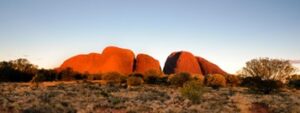
The self-guided walks suggested at Kata Tjuta are:
- The Valley of the Winds: A challenging 3- to 4-hour circuit walk offering breathtaking, Mars-like views of the domes and lookout points.
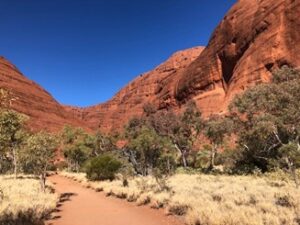
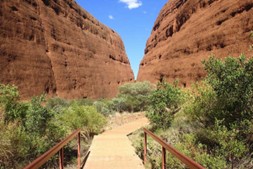
- Walpa Gorge: A shorter, 2.6 km return walk that takes you deep between the towering conglomerate walls of Kata Tjuṯa.
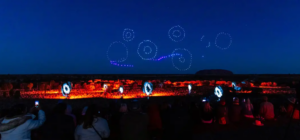
Wintjiri Wiru, meaning ‘beautiful view out to the horizon’ in the local Pitjantjatjara language, is a breathtaking cultural storytelling experience that brings to life a chapter of the ancestral Mala story through choreographed drones, lasers and projections that illuminate the night sky.
A story passed on for thousands of generations, now passes to you.
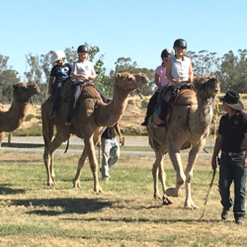
Want to add something different to your Itinerary, why not visit Uluru Camel Rides. Depending on your price point, they offer an ‘Education’ package (which doesn’t includes a camel ride) or a camel ride can be organised with them (they have a limited number of camels, if you are a larger group, please keep this in mind when looking at timings).

The Uluru Bike Ride lets you experience all that Uluru has to offer. In your own pace and time, discover ancient rock art and wonderous waterholes around the base of Uluru. The Outback Cycling Uluru Bike Ride is one of the best-value activity options at Uluru!
They are located in the Uluru-Kata Tjuta Cultural Centre car park in the Uluru-Kata Tjuta Naional Park.
Extended Safari Options
For longer adventures, explore:
- Discover Red Centre – 8-day tour
- Rock to Reef – 13-day adventure
Our school tour operators team creates comprehensive educational tours across Australia’s outback.
Book your safari with confidence.
Contact Us
Have questions or need a quote? Call us today or send us a quick message we’ll respond within one business day.
"*" indicates required fields