Canberra School Tours
Where Australia’s Story Comes to Life
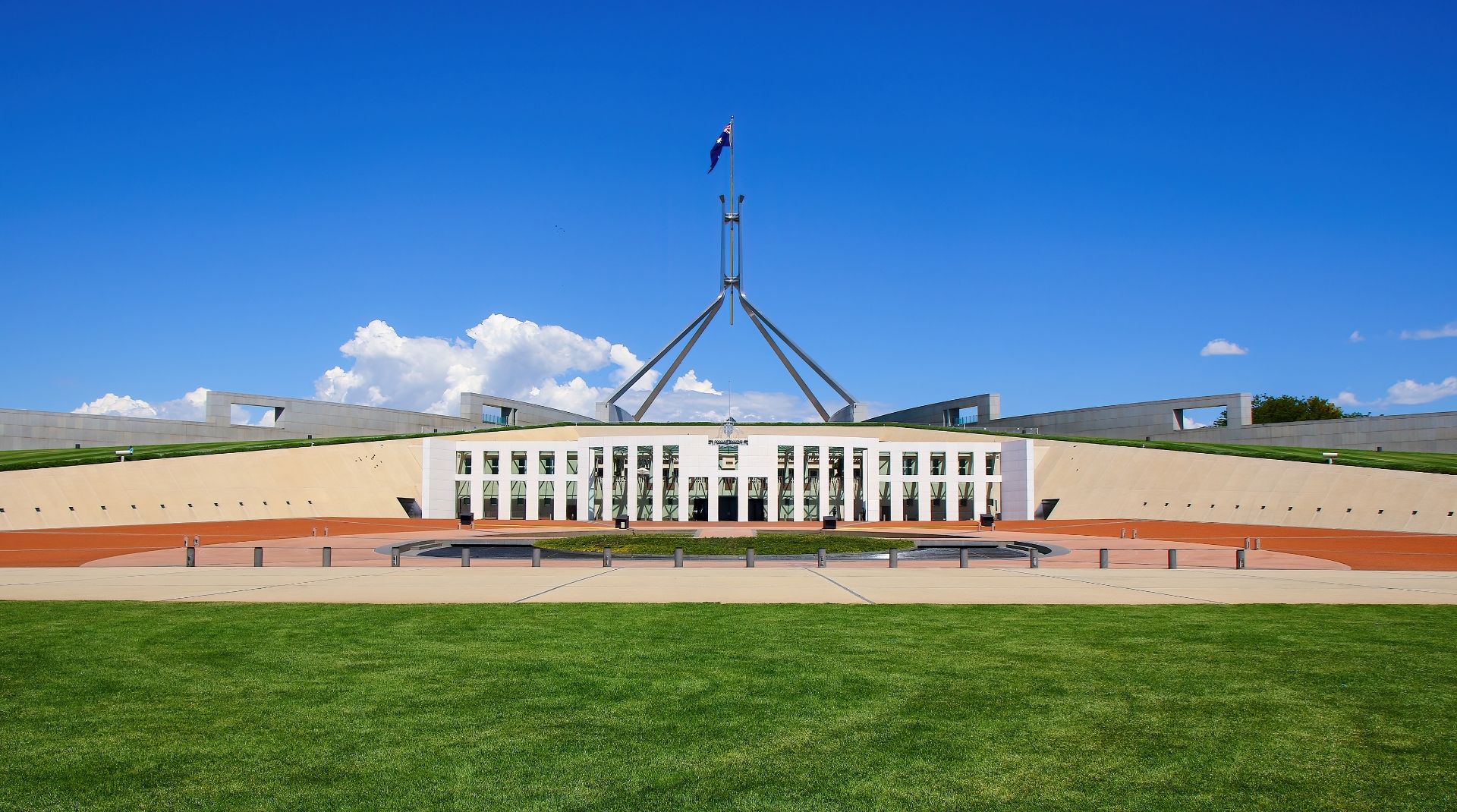
Every Australian student should experience our nation’s capital first hand. Our Canberra school tours offer more than iconic landmarks like Parliament House, the Australian War Memorial and the High Court – they create an extraordinary classroom where democracy, history, and culture come together to create powerful learning moments that students will remember for years to come.
Experience Canberra
Highlights Include:
- Parliament House
- Australian War Memorial
- National Capital Exhibition
- Questacon
- Embassy Drive
- The High Court of Australia
- Government House
- Electoral Education Centre
- Museum of Australian Democracy (Tier One PACER
- Australian Institute of Sport
Highlights
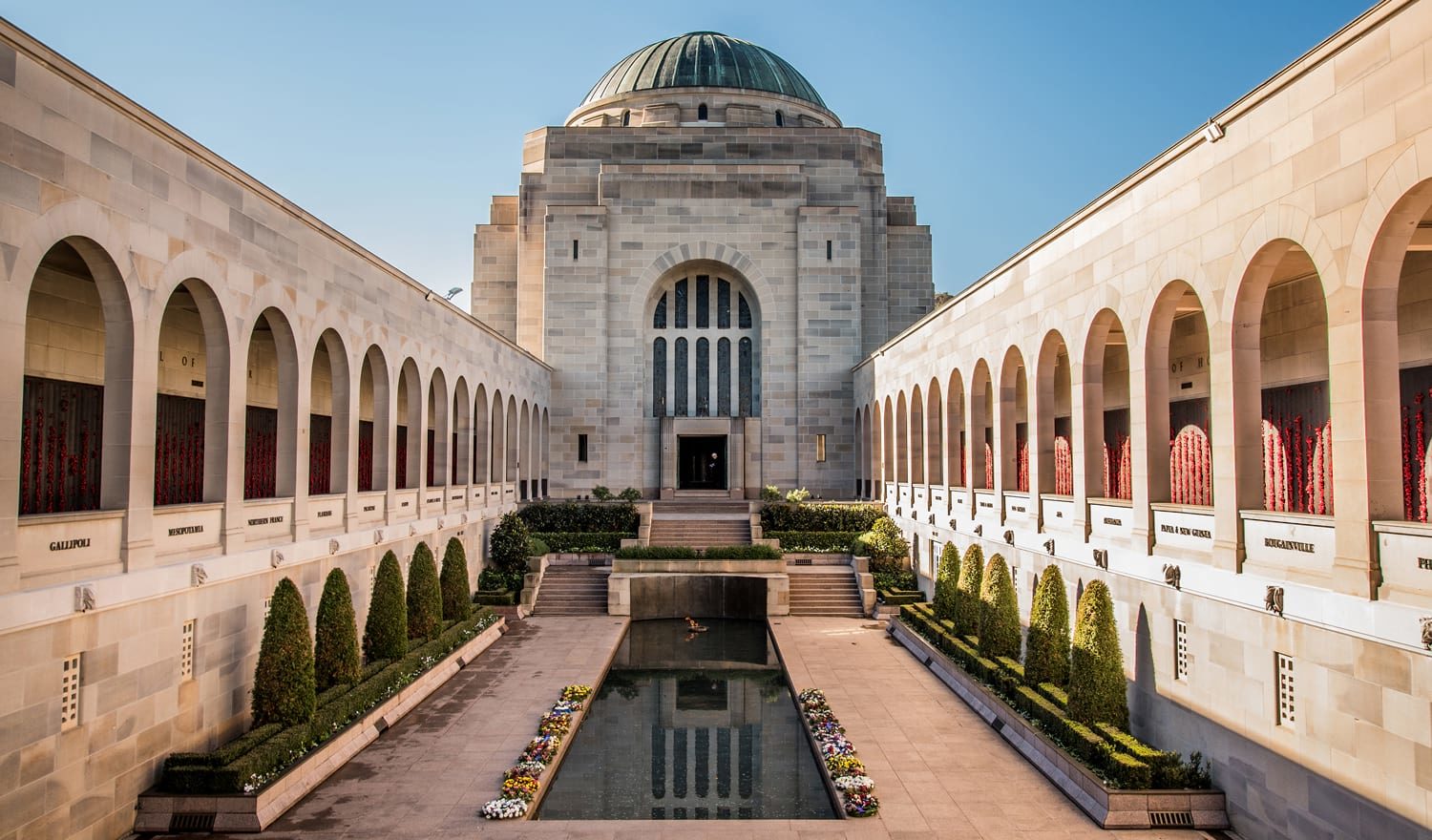
The Australian War Memorial in Canberra is a world-class shrine, museum and archive dedicated to honoring those who served in the Australian Defence Force. A visit to the Memorial is a must for any school’s visiting Canberra. They offer one-hour sessions for all year levels (Years 3-12)
We Will Remember Them (Suitabile for: Year levels 4-12)
This program explores the reasons for continued commemoration of the service and sacrifice of Australian servicemen and women. Students will explore personal stories from a number of different conflicts and operations. They will investigate the significance of symbols of commemoration, such as the poppy, and develop an understanding of how and why we remember, particularly on Anzac Day and Remembrance Day each year.
Strange but True (Suitabile for: Year levels 4-12)
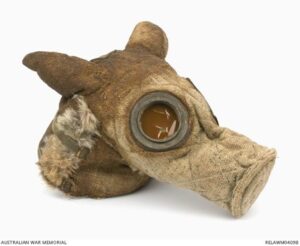
Students will discover the stories behind some of the more unusual and obscure items in our National Collection; why they are here, where they came from, and what they have to tell us about the experiences of Australians on the battlefield and at home during wartime. Students will develop empathy, and understanding of the challenges faced by Australian servicemen and servicewomen.
Aboriginal and Torres Strait Islander Wartime Services (Suitabile for: Year levels 4-12)
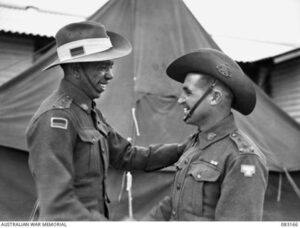
Aboriginal and Torres Strait Islander peoples have a long tradition of fighting for Country, and continue to serve among our military forces. Although not permitted to become Australian citizens until 1967, military service is one area where Indigenous Australians have experienced less discrimination than in the wider Australian society. This program explores some of their wartime experiences and the impact these have had on the Indigenous communities and broader Australian society.
Australians and the First World War (Suitabile for: Year levels 7-12)
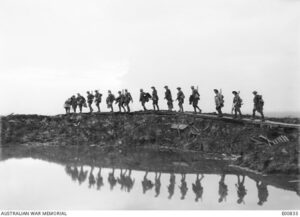
This program focuses on the First World War and the role that Australians played in the conflict. It will explore the reasons for enlistment, conditions faced by those fighting and the nature of warfare, the sentiment at home including the conscription debate, the legacy left by the conflict on the nation and its people, and ongoing commemoration. Students will explore the roles of both men and women serving in the Gallipoli campaign, the Western Front, and in Sinai and Palestine, and explore the nature and significance of the “Anzac legend”.
The Past in the Present (Suitabile for: Year levels Kindergarten – Year 3)
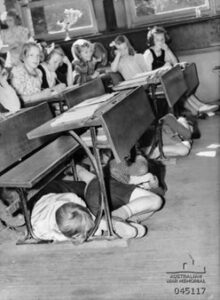
Exploring the stories of families who have served, this program will allow students to discover what life was like for Australians during wartime, both in the past and up to the present day. Visiting the galleries will link collection items to real stories of Australians during wartime. Students will also explore how we continue to commemorate the service and sacrifice of Australian servicemen and servicewomen on Anzac Day and Remembrance Day.
School Wreath Laying Ceremony (Suitable for: Year levels Kindergarten – Year 12)
The School Wreath Laying Ceremony is the commemorative experience designed for visiting school groups. It is delivered before Memorial opening hours on Tuesdays, Wednesdays and Thursdays in the Commemorative Area when available, or in other Memorial commemorative spaces when required. This ceremony must be booked and there is limited availability.
Last Post Ceremony (Suitable for: Year levels Kindergarten – Year 12)
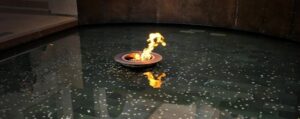
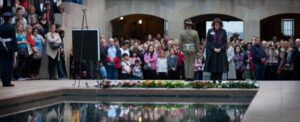
The ceremony begins with the Australian National Anthem followed by the piper’s lament. Some students may be invited to lay wreaths and floral tributes beside the Pool of Reflection. An individual’s story is told, and the Ode is recited by Australian Defence Force personnel. The ceremony ends with the sounding of the Last Post. From February to November the Last Post Ceremony includes Australia’s Federation Guard (on the first and third Wednesday of each month). Like the School Wreath Laying Ceremony, this ceremony must be booked for school attendance and there is very limited availability. Available for year levels, The Last Post Ceremony reflects on the human impact of war and may be distressing to some viewers. Viewer discretion is advised.
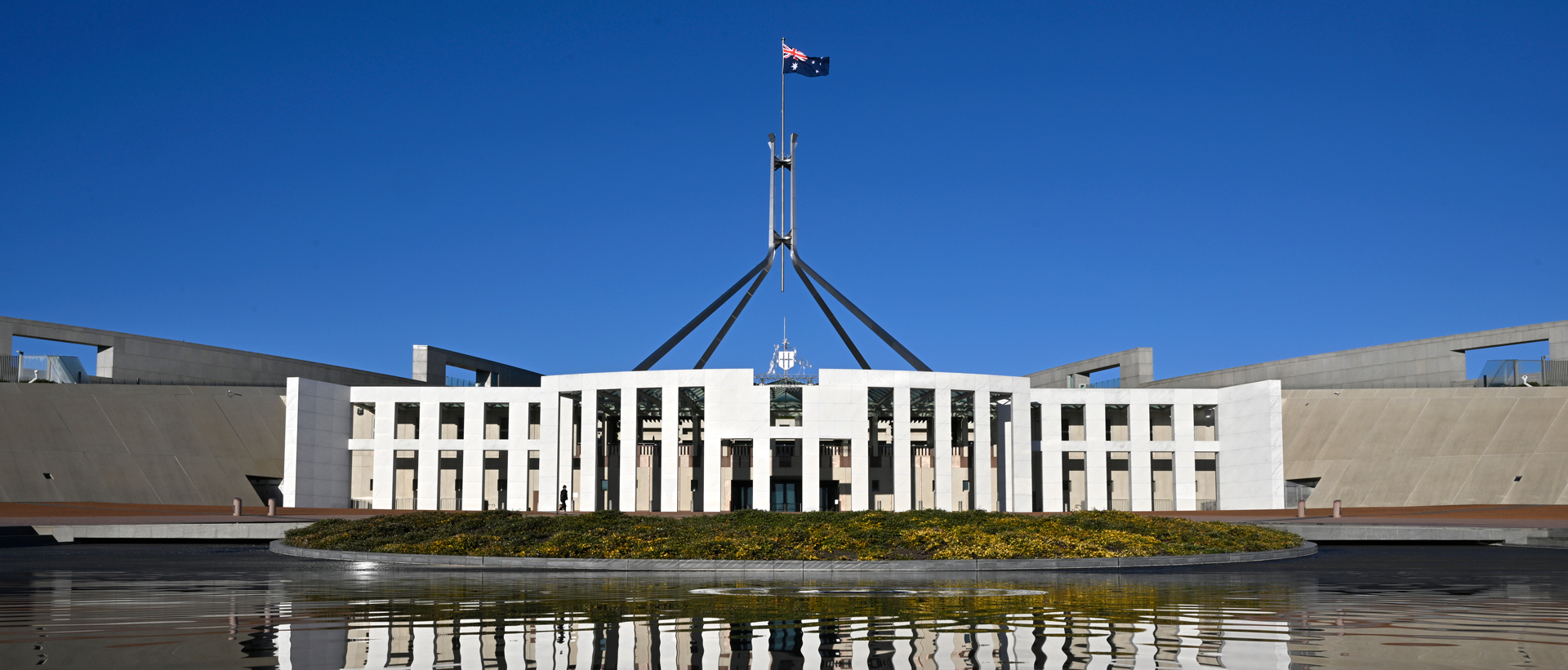
Australian primary and secondary schools can participate in Parliament’s School Visit Program. Subject to availability, students can experience:
- a one hour comprehensive guided tour, including the House of Representatives and Senate chambers and parliamentary exhibits;
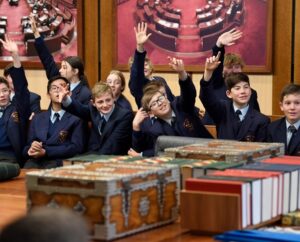
- a one hour Parliamentary Education Office (PEO) hands-on education program; and
- a half hour break in the Queen’s Terrace Gallery with the opportunity to meet your member of parliament dependant on their availability.
Guided Tours
Parliamentary Education Office (PEO)
Their role-play program explores the function, value and purpose of Australia’s democratic system of government.
Students investigate how:
- government is formed
- laws are made
- the government is kept accountable.
The onsite program is a role-play demonstrating how proposals for federal laws – bills – are considered by the Parliament. Students take on the roles of members of parliament and debate a bill in either the Senate or the House of Representatives.
Hospitality
A half hour booking, in the Queen’s Terrace Gallery, is a great opportunity to organise a meeting with your local member (if they are in Canberra) or take advantage of the time, for a drink and toilet break or possibly a quick visit to the roof of Parliament House for a different view of Canberra.
Question Time
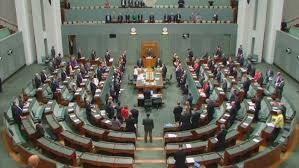
Question Time is when Parliament scrutinises the work of the government. It usually starts at 2.00pm on sitting days and is popular with schools visiting Parliament House. You need to book in for Question Time, so please mention this to one of the CToA Team, so they can allow for extra time in your Itinerary to spend at Parliament House.
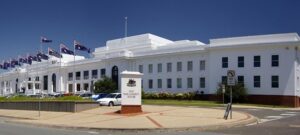
Located in the ‘Old Parliament House’, one of the most significant heritage buildings in Australia (home of Commonwealth Parliament from 1927 to 1988), the Museum of Australia Democracy (MoAD) offers multiple 1-hour programs that provide unique inquiry-based learning experiences for students, that explore what it means to be an informed and engaged citizen:
Our Voices, Our Choices (Suitable for: Secondary)
Experience the ways people are heard in a democracy, both through an interactive activity and taking on the role of politicians in an historic debate re-enactment.
Their historic debates challenge students through the use of modified Hansard speeches. Students will either learn the arguments for and against the introduction of conscription during the Vietnam War or about a constitutional issue: state versus federal rights and how each approached the topic of the damming of the Franklin River in 1983.
People Power and Making Change (Suitable for: Year levels 5-8)
Learn about active citizenship and how change is made in Australia’s democracy. Investigate parliamentary roles within an historic chamber and discover how young people can have their voices heard.
Their interactive exhibition experience interprets change throughout Australia’s history using the stories of important people and objects. Examine the ways in which change has been made from Federation to present day and investigate how we can all make a positive difference.
Democracy, Media and Me (Suitabile for: Year levels 9-12)
Truth, Power and a Free Press is a permanent exhibition where students can investigate stories and objects from Australia’s rich media history.
In this program, students will develop their media literacy and critical thinking skills while learning about the important role that the media has within our democracy. Students will explore the stories behind a range of museum objects and collaborate in heritage spaces where members of the press really worked. In this program students are encouraged to look for reliable sources and ask key questions of the media they consume in order to be empowered, informed digital citizens.
Behind the Lines (Suitabile for: Year levels 5-12)
Behind the Lines is an annual exhibition at MoAD (Museum of Australian Democracy). It celebrates the role of political cartoonists in Australia and highlights the power that their drawings have in contributing to our daily political and social discourse.
This Learning Facilitator-led program is designed to make political cartoons and Media Literacy accessible to students. Onsite worksheets with clipboards will be provided to help guide students through the content. The program is flexible to suit a variety of subject areas and learning objectives.
We Can Make a Difference (Suitable for: Year levels Kindergarten – 6)
This ‘hands on’ program helps students explore active citizenship through the UNICEF resource School-in-a-Box.
Students interrogate the United Nations Convention on the Rights of the Child and consider their various rights and responsibilities as citizens in our community. The program includes a heritage experience in an historic Chamber where laws that affect us today were debated and passed.
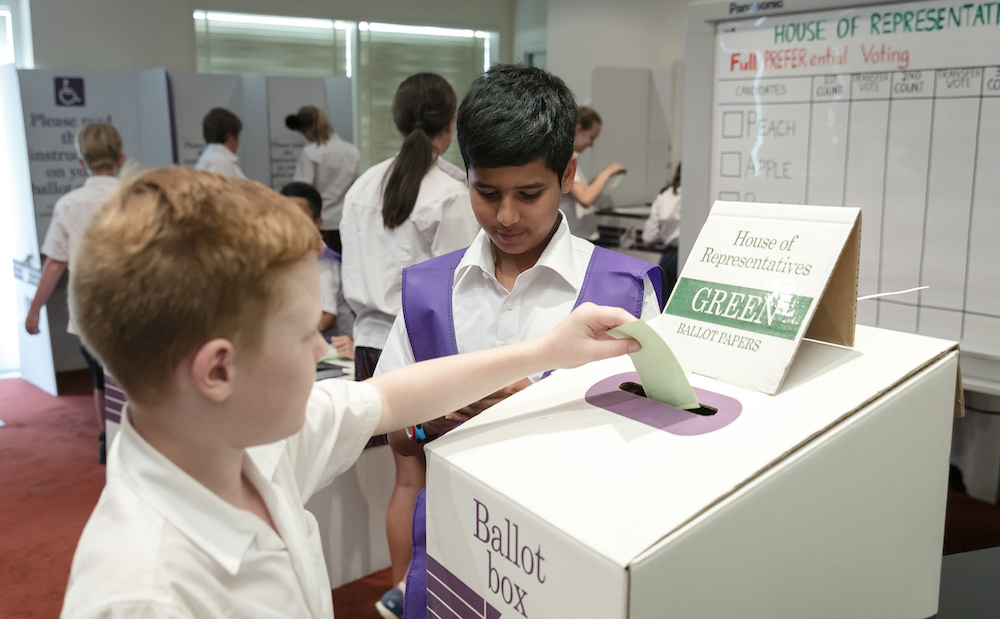
Located in the heart of Canberra’s parliamentary triangle, the National Electoral Education Centre (NEEC) is a ‘must see’ destination for Civics and Citizenship education. Offering 1.5 hour sessions suitable for all year levels:
House of Representatives (Suitable for: Primary & Secondary)
Their most popular program! Explore the key concepts of representation, enrolment and voting, and investigate how people are elected to the House of Representatives. Experience the preferential voting system in action by participating in a House of Representatives election scenario. Suitable for students of all levels.
Referendum (Suitable for: Primary & Secondary)
Discover Australia’s founding legal document and investigate how the people of Australia can change the Constitution through a Referendum. Experience the referendum process in action by voting in a referendum scenario. Suitable for students of all levels.
Senate (Suitable for: Primary & Secondary)
Explore the key concepts of representation, enrolment and voting, and investigate the proportional system used to elect Senators, including voting in a Senate election scenario. Perfect for schools who have already covered the basics of preferential voting and the House of Representatives. Suitable for students of all levels.
Youth Eligible Elector (Suitable for: Late Secondary & Tertiary)
Equips senior secondary students with the skills they need to become voters, exploring representation and voting for both the House of Representatives and the Senate, including voting for both houses. Suitable for senior secondary stu

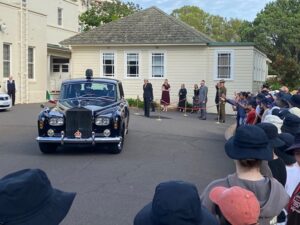
Government House on Ngunnawal/Ngambri country, is the official residence and office of the Governor-General in Canberra. It’s where the Governor-General lives and works, carrying out her special role in the constitutional, ceremonial, community and cultural life of our nation.
Not open to the general public, school groups have the very rare privilege of being taken on a guided tour (by booking only) through areas of the ground floor, as well as the grounds that surround the house. Students will learn more about what it means to be an Australian citizen, how governments work, and the special role of the Governor-General. They may also get a glimpse of the ‘formal’ vehicles used by the Governor General on very special occasions.
You might even get a chance to talk to the Governor-General, who always tries her best to catch up with students who come to visit and who knows, there may even be diplomats from other countries, visiting at the time of your visit!

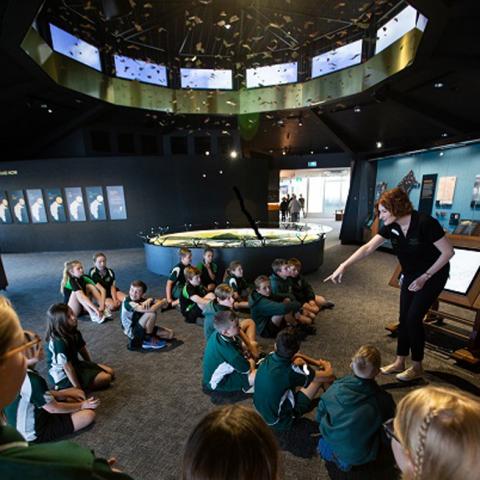
Visit the National Capital Exhibition to discover the story of Canberra or dig deeper into the story at one of our other sites.
National Capital Exhibition Guided Tour
Discover the history of Canberra during a guided tour through the National Capital Exhibition. During this tour, participants will learn about the path from Federation to the international design competition and on to the city as it is now. The tour includes time for the film, 3D model animation and exploring the exhibition after the formal presentation.
After exploring the National Capital Exhibition, be sure to stop by the Canberra and Region Visitor’s Centre, which is conveniently located in the same building. The centre offers a diverse selection of local merchandise guaranteeing there’s something for everyone to take home.
ANZAC Parade Education Program
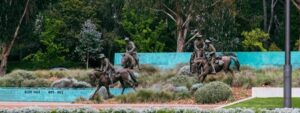
Guided through four of the significant military memorials along Anzac Parade, students interrogate what ‘national significance’ means and how the service and sacrifice of Australians has been memorialised. Students interact with the sculptures, finding their own meaning in them and exploring their connection with the design of Canberra.
Blundells Cottage Guided Tour
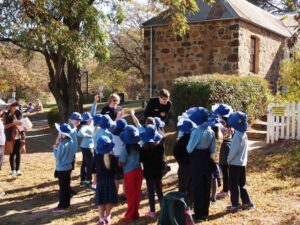
Blundells Cottage is an iconic location, built in what is now the National Triangle of Canberra. In this guided tour, participants will learn about the long history of the building and its connections to the development of Canberra. The site has been curated to create an immersive atmosphere, covering four important eras in the building’s history. Please do be aware that this site is a heritage location, if your group has any mobility concerns please contact us before booking.
Reconciliation Place Education Program
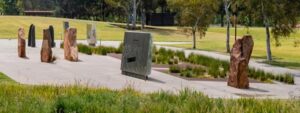
Reconciliation Place is actually a path between the National Library and the High Court of Australia. This series of public artworks explore what Reconciliation means and why it is an important part of our past and a signpost for our future. During the program, participants will explore the artworks to reflect on some of the events, people and concepts that are a part of our shared journey.
Lake Burley Griffin Guided Tour
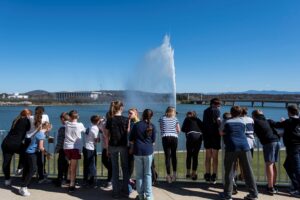
During this guided walk along the northern shore of Central Basin participants will learn about the design of our capital city. Exploring important concepts such as garden city design, town planning and the land and water axis, participants will interrogate the importance of features within the Burley Griffin design and question whether the city still has elements of the original plan within it.
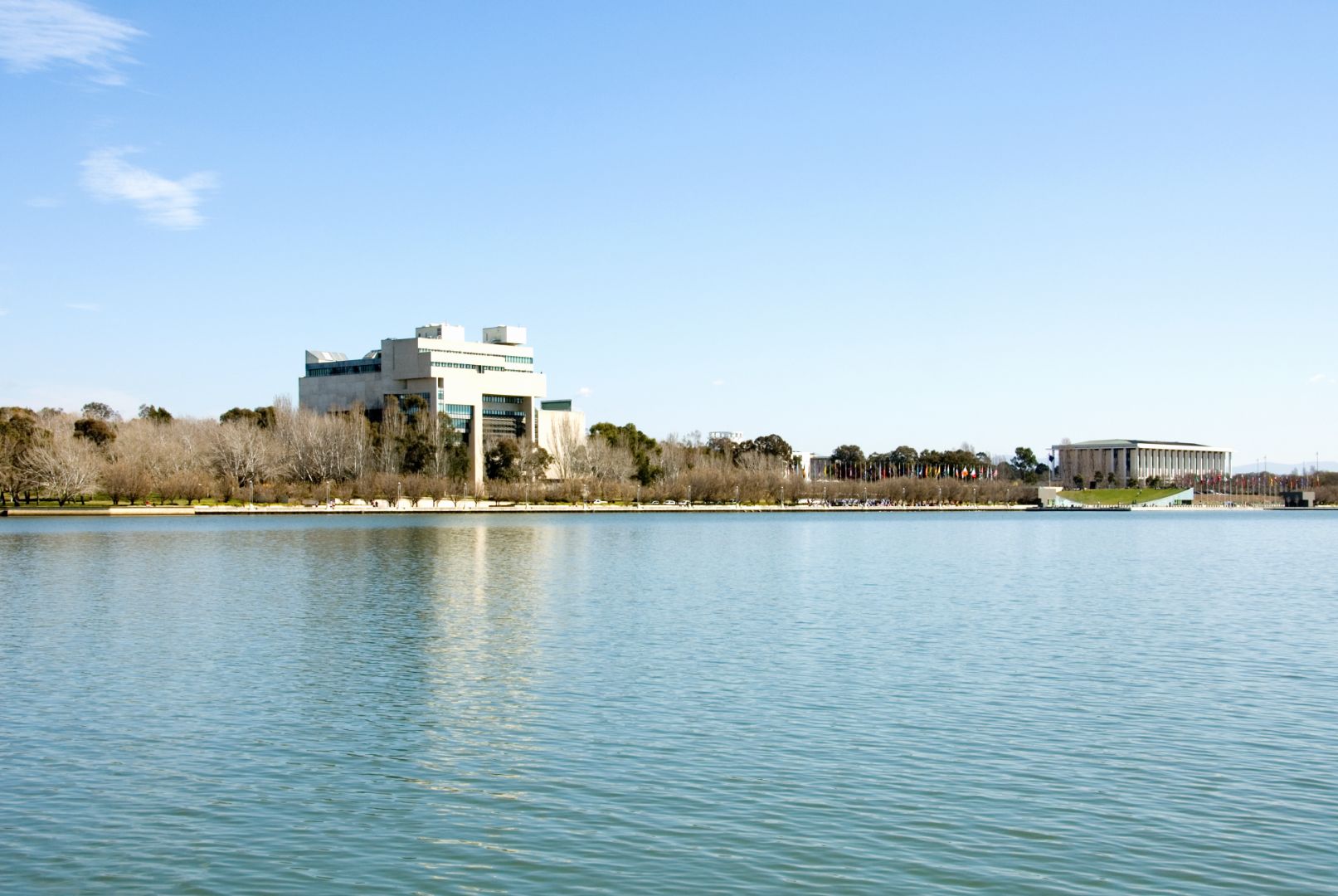
The High Court of Australia is the highest court in the Australian judicial system. Education programs and tours of the building bring to life the powerful history and contemporary function of the High Court in upholding Australia’s democracy.
With limited sessions available, you need to book early to include a visit to the High Court of Australia, as a part of your Itinerary. They offer tours for all year levels:
The High Court: Roles and Responsibilities (Suitable for: Year levels 5 – 10)
A traditional tour of the High Court building. Students will visit Courtroom 1 to learn about the Court’s constitutional role, followed by a visit to Courtroom 2 to learn about the Court’s appellate role as the final court of appeal for the nation.
The Court and the Constitution (Suitable for: Year levels 5-9)
Discover the role of the High Court in interpreting the Australian Constitution and upholding Australia’s democracy. Students will have the opportunity to explore the ‘ingredients’ of the Constitution through an activity in the Australian Constitution Centre, followed by a visit to Courtroom 1, where the Justices hear cases of national significance, to discuss the impact of High Court decisions on our nation.
Decisions of the High Court: Tasmanian Dam (Suitable for: Year levels 10-12)
Delve into the role of the High Court and the impact of its decisions through the consideration of the Tasmanian Dam case of 1983. Students will examine this landmark environmental case and visit the courtroom where the legal arguments were heard.
The Highest Court in the Land (Suitable for: Year levels 11-12 & Tertiary)
A traditional tour of the High Court building for those studying legal studies or law. Students will visit Courtroom 1 to cement their knowledge of the Court’s constitutional role, followed by a visit Courtroom 2 to review case examples of the Court’s appellate role as the final court of appeal for the nation.
Decisions of the High Court: Mabo (Suitable for: Year levels 10-12)
Delve into the role of the High Court and the impact of its decisions through the consideration of the Mabo case of 1992. Students will examine this momentous case, which recognised native title to land, and visit the courtroom where the legal arguments were heard.
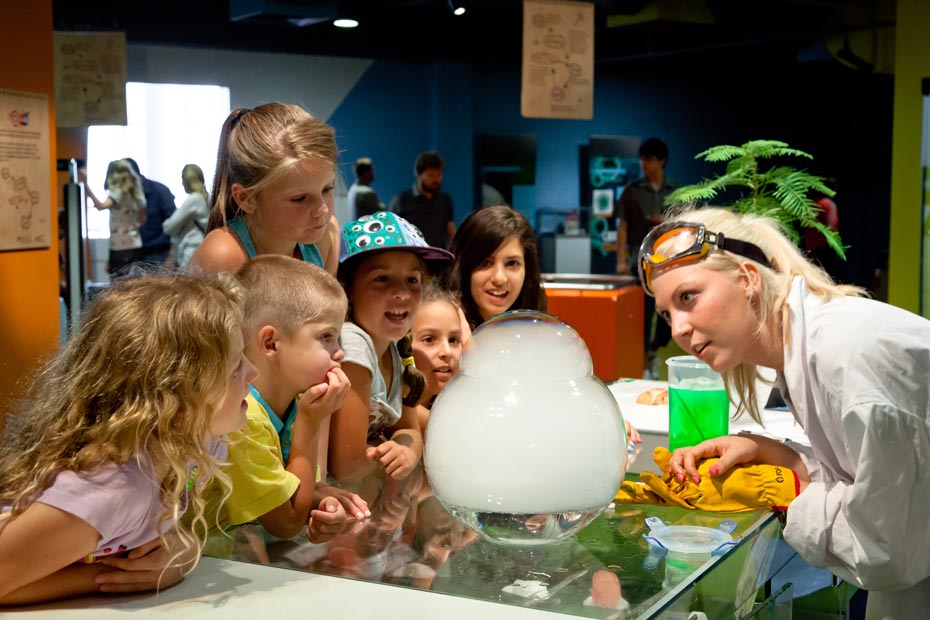
Australia’s leading science centre and one of the country’s most visited educational sites located in Canberra’s Parliamentary Triange. Questacon offers a range of experiences for students of all ages, founded on a philosophy of hands-on learning and designed to spark curiosity about science, technology, engineering and mathematics.
Self-guided Gallery Experience (Suitable for: Primary & Secondary)
Questacon houses over 200 hands-on exhibits in eight themed galleries. Perfect for self-guided exploration, the exhibits encourage interaction and inspire questions as students discover the smarter way to have fun.
Questacon by Night (minimum of 45 charged) (Suitable for: Year levels 3 – 6)
Looking for something different for your school group to do in the evenings? Experience Questacon’s after-hours Q by Night program available in two sessions, 4:30pm-7pm and 7pm-9:30pm, on Tuesday, Wednesday and Thursday. This two-and-a-half-hour adventure also includes a visit to the Questacon Shop, with a large range of quality science-related products.
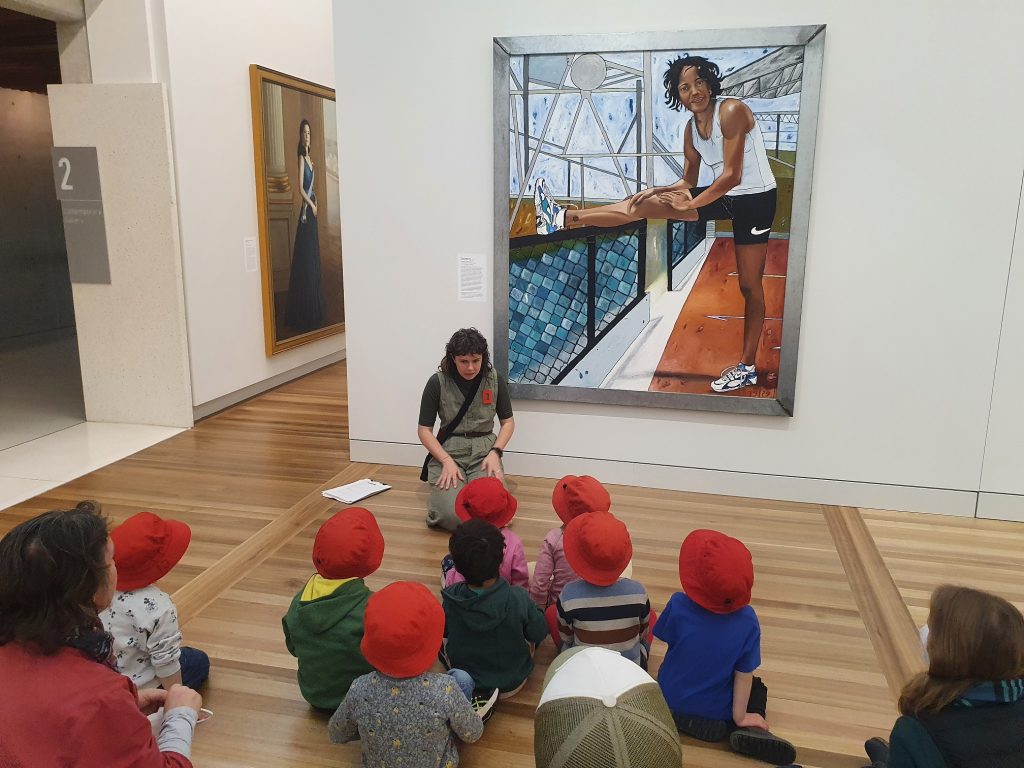
At the National Portrait Gallery, we provide a range of education programs that provide the opportunity to explore and connect with Australian stories through the art of portraiture.
Aboriginal and Torres Strait Islander Activism (Suitable for: Primary / Secondary / Tertiary)
This program identifies significant events and ideas in Aboriginal and Torres Strait Islander histories, through key individuals who have shaped the political and cultural developments involved. Students will explore portraits via visual analysis, debate and pictorial representation; and discover how portraits can be used as historical documents.
Civics and Citizenship (Suitable for: Primary / Secondary / Tertiary)
In these programs we emphasise recognition of individuals from diverse backgrounds and fields of endeavour who have excelled and contributed to society. Students will discover ways to examine the portraits of significant Australians – past and present – through discussion and drawing.
History (Suitable for: Primary / Secondary / Tertiary)
Our history programs identify significant historical periods, events and ideas through key individuals who have shaped Australia’s social, economic, political and cultural developments. Students will explore portraits through visual analysis, contrast and compare works from different eras, pictorial representation; and discover how portraits can be used as historical documents.
Visual Thinking Strategies (Suitable for: Year levels 3-12 / Tertiary)
In collaboration with Visual Thinking Strategies (VTS™ New York), they present critical thinking and visual literacy programs for all levels of education. In them they incorporate concepts of ‘close looking’; verbalising observations and backing up theories with evidence, close listening and developing the skill to simultaneously hold different and sometimes conflicting ideas as possibilities. Students are provided with new skills to navigate and critically examine our image-saturated world. The emphasis is on discussion-based, student-centric learning.
Headhunt (Suitable for: Year levels 5-9)
Headhunt! is an innovative digital app that invites students on an expedition of curiosity, creativity and collaboration. Exciting and playful, the app appeals to all types of learners, providing students with a sense of autonomy and agency as they work in small teams to scavenge the collection to explore Australian people through the art of portraiture.
Using one of the Gallery’s devices, students will be directed to different locations in the Gallery where they will choose artworks and capture their insights by completing a series of interactive activities. Students will be prompted to engage deeply with artworks that pique their interests, finding meaning through observation and conversations with their peers. But it’s not just the students who get to have all the fun! Teachers have their very own version of Headhunt! where they can track their students’ progress, send messages and read everyone’s thoughtful responses.
Mission to Mars (Suitable for: Year levels 5-6 / Secondary)
Looking for a fun and energising activity to begin or end your day in Canberra? Blast off with Mission to Mars, our innovative digital app that brings together art, adventure and exploration.
Students will need to work together to select a crew to launch into life on Mars. They will explore the Gallery, looking at portraits on display and deciding who should join the crew. Discussion, consideration and collaboration is essential. Who would make the best engineer? Do we need an influencer on board or is a scientist more important? Decisions need to be made quickly while navigating challenges and surprises along the way to lift off.
The award-winning Headhunt! app was developed in partnership with the Gallery’s Digital Partner Stripy Sock.
The Geoscience Australia Education Centre offers curriculum-linked education programs designed to immerse students in hands-on geoscientific activities. Facilitated by experienced educators, general and custom-made programs are available to suit individual group needs, ensuring the best possible outcome for students.
General Primary (Suitable for: Year levels 3-6)
Their general primary visit is designed to engage students with multiple aspects of geoscience. Education staff guide students through everyday uses of some rocks, minerals, and elements, and explore the movement of tectonic plates and how this movement impacts landscapes and the distribution of earthquakes. Students are encouraged to explore their hands on displays guided by an activity sheet. Students will ‘touch the Moon’, view the National Mineral and Fossil collection including impressive crystal displays, handle rocks, fossils, and minerals, and investigate samples under a microscope.
General Secondary (Suitable for: Secondary)
Their general secondary visit is designed to engage students with multiple aspects of geoscience. The program includes presentations by education staff on the use of different datasets including how satellite and earthquake data can be used to make informed decisions, followed by time to explore our hands on displays guided by an activity sheet. Students will ‘touch the Moon’, explore the National Mineral and Fossil Collection, analyse different datasets on display, and discuss the limitations of old measurement technologies.
Weathering and Erosion (Suitable for: Year levels 3-6)
This program is designed for students completing the Earth and Space sciences unit ‘describe how weathering, erosion, transportation and deposition cause slow or rapid change to Earth’s surface’. The Weathering and Erosion program focuses on changes that occur in rocks and the landscape as a result of geological processes, and how fossils can give us clues to the past.
Natural Hazards (Suitable for: Year levels 5-6)
The Natural Hazards program focuses on earthquakes and tsunamis. Students examine real earthquakes recordings made by Geoscience Australia seismometers and learn how and where earthquakes and tsunamis are likely to happen. Students will also learn about the National Earthquake Alerts Centre at Geoscience Australia and its role in tsunami warnings.
The Rock Cycle (Suitable for: Year levels 7-9)
This program is designed for students completing the Earth and Space science unit ‘describe the key processes of the rock cycle and examine how the properties of sedimentary, igneous and metamorphic rocks reflect their formation and their use’. The rock cycle program focuses on minerals as the building blocks of rocks, identifying rocks using their characteristics, and looking at mineral properties, such as lustre, hardness, and streak. The hands-on component includes identifying mystery rocks, viewing the National Mineral and Fossil Collection, and exploring our hands on displays.
Plate Tectonics (Suitable for: Year levels 7-10)
This program is designed for students completing the Earth and Space sciences unit ‘investigate tectonic activity and describe the scientific evidence for the theory of plate tectonics’. The Plate Tectonics program concentrates on the mechanisms of plate tectonics and uses technology to examine the evidence that supports the theory including earthquake depth and frequency, and volcanic activity around the world.
Earth and Environment Science (Suitable for: Year levels 11-12)
Earth and Environmental Science students will be provided with experiences tailored to the needs of their class. This may include a focus on geological time and dating rocks or on geohazards and earthquake monitoring. We might visit behind the scenes at Geoscience Australia or organise specialist presentations by practising geoscience professionals to look deeper into relevant Earth science topics. Please contact us to discuss details.
Rocks and Minerals (Suitable for: Year levels 3-4)
Their rocks and minerals program is designed to assist teachers in adopting recent changes to the Australian curriculum (V9). The program includes interactive presentations by education staff about mineral usage in everyday items and rock physical properties, followed by time to explore their hands on displays and undertake a mineral treasure hunt. Students are encouraged to learn through inquiry and can touch minerals, rocks, and fossils, learn about different rock types, and even touch their very own piece of Moon rock.
Customised Primary (Suitable for: Primary)
Our rocks and minerals program is designed to assist teachers in adopting recent changes to the Australian curriculum (V9). The program includes interactive presentations by education staff about mineral usage in everyday items and rock physical properties, followed by time to explore our hands on displays and undertake a mineral treasure hunt. Students are encouraged to learn through inquiry and can touch minerals, rocks, and fossils, learn about different rock types, and even touch our very own piece of Moon rock.
Customised Secondary (Suitable for: Year levels 7-10)
They are happy to tailor programs for your group to tie in with a specific geography or Earth science unit.
Customised Senior Secondary (Suitable for: Year levels 11-12)
They are happy to tailor programs for your group to tie in with a specific geography or Earth science unit.
The National Gallery welcomes visitors of all ages and abilities to participate in creative learning experiences onsite, online and on tour.
Ideas: Making Meaning Through Art (60, 90 or 120 minutes) (Suitable for: Year levels 3-12)
In this active creative learning program, students consider the ways artists respond to and make meaning of the specific circumstances that shape their lives.
Through playful learning strategies facilitated by Artist Educators, students make personal connections and participate in shared meaning-making, drawing on their own knowledges and connecting with the ideas of artists, educators and peers. Ideas takes an inquiry approach, helping students to learn in multiple ways, including through material play, embodied experiences, inquiry-based conversation, creative writing and reflection.
Ideas: Making meaning through art invites students to consider what art can be, why artists express their ideas, and how engaging with art and self-expression can help us to reflect on personal identity, creativity, and our connections to the world around us.
Stories: Australian People and Places (60 minutes) (Suitable for: Primary / Secondary)
In this active creative learning program facilitated by Artist Educators, students engage with works of art by Australian artists and the diverse stories they tell about the people and places of Australia.
Through playful learning strategies, students make personal connections to build empathy and understanding and consider how they can contribute to civic life. They participate in shared meaning-making, drawing from their own knowledges and connecting with the ideas of artists, educators and peers. Stories takes an inquiry approach, helping students to learn in multiple ways. Experiences could include material play, movement, , inquiry-based conversation, creative writing and reflection.
Stories is an approved PACER program and connects to the Australian Curriculum through the Learning Area: Humanities and Social Sciences: Civics and Citizenship; Visual Arts; the Cross-curriculum priorities and General Capabilities.
Art in Action (Suitable for: Year levels Kindergarten – 2)
Why are there pumpkins in the middle of a mirrored room? Why is the sun shining in this picture? Share stories that encourage wonder and inspire curiosity about art from different times and places. Children can respond through moving and making, speaking and listening, exploring the possibilities of art through activities and play.
Ideas Making Meaning Through Art (Suitable for: Year levels 3-12)
In this active creative learning program, students consider the ways artists respond to and make meaning of the specific circumstances that shape their lives.
Through playful learning strategies facilitated by Artist Educators, students make personal connections and participate in shared meaning-making, drawing on their own knowledges and connecting with the ideas of artists, educators and peers. Ideas takes an inquiry approach, helping students to learn in multiple ways, including through material play, embodied experiences, inquiry-based conversation, creative writing and reflection.
Ideas: Making meaning through art invites students to consider what art can be, why artists express their ideas, and how engaging with art and self-expression can help us to reflect on personal identity, creativity, and our connections to the world around us.
AllWays: Aboriginal & Torres Strait Islander Art & Culture (Suitable for: Year levels 5-12)
In this program, you will work with Educators and experience 3-4 diverse works of art from the national collection of Aboriginal & Torres Strait Islander Art.
Led by Artist Educators, students connect with select works of art through active creative learning experiences. These experiences guide students to build knowledge and skills in multiple ways including material play, embodied experiences, inquiry, curiosity and imagination. Students will be offered opportunities to make personal connections, drawing from their own life experiences to deepen their appreciation and understanding of First Nations arts and cultures without cultural appropriation.
AllWays provides an opportunity to spark curiosity and promote caring for Country, allyship, and advocacy and the celebration of Aboriginal and Torres Strait Islanders as living Communities and cultures.
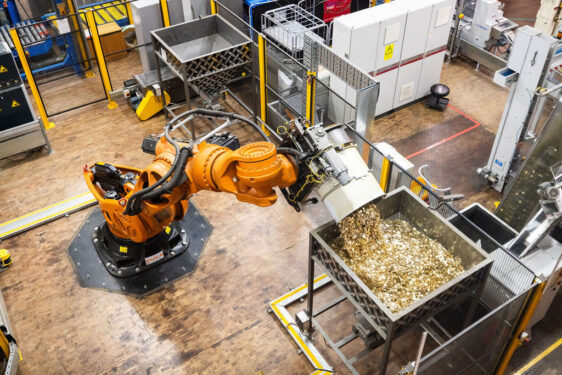
The Royal Australian Mint is Australia’s official Mint. It is the place where every Australian coin in your pocket, purse or piggy bank was made.
RAM – Guided School Program (Suitable for: Year levels Kindergarten – 12)
A Visitor Experience Host will meet your group in the foyer, check your group in, and take you on a 45-minute program. You’ll discover the stories behind some of the significant items in their national coin collection and look down into the factory from their viewing platform as they take you through the process of producing coins. They will even introduce you to a few of the robots who work at the Mint! Their programs can be adjusted to any year group. The program will conclude with 15 minutes in the coin shop, including the opportunity for each student to mint their own $1 coin (please encourage students who would like to mint a coin to bring $3 in cash with them).
RAM – Teacher self-guided school booking (Suitable for: Year levels Kindergarten – 12)
This booking is for teachers to guide their own school groups. A one-hour time slot is provided in which your group may explore our gallery, factory viewing area, and our coin shop.
Teachers must remain with their groups, follow all staff instructions, and are responsible for their students’ welfare and behaviour at all times. Groups that arrive early will not be permitted to enter the Mint’s gallery space before their booked start time. Please check in with staff upon arrival. Groups will be allocated a timeslot for the coin shop when they check in.
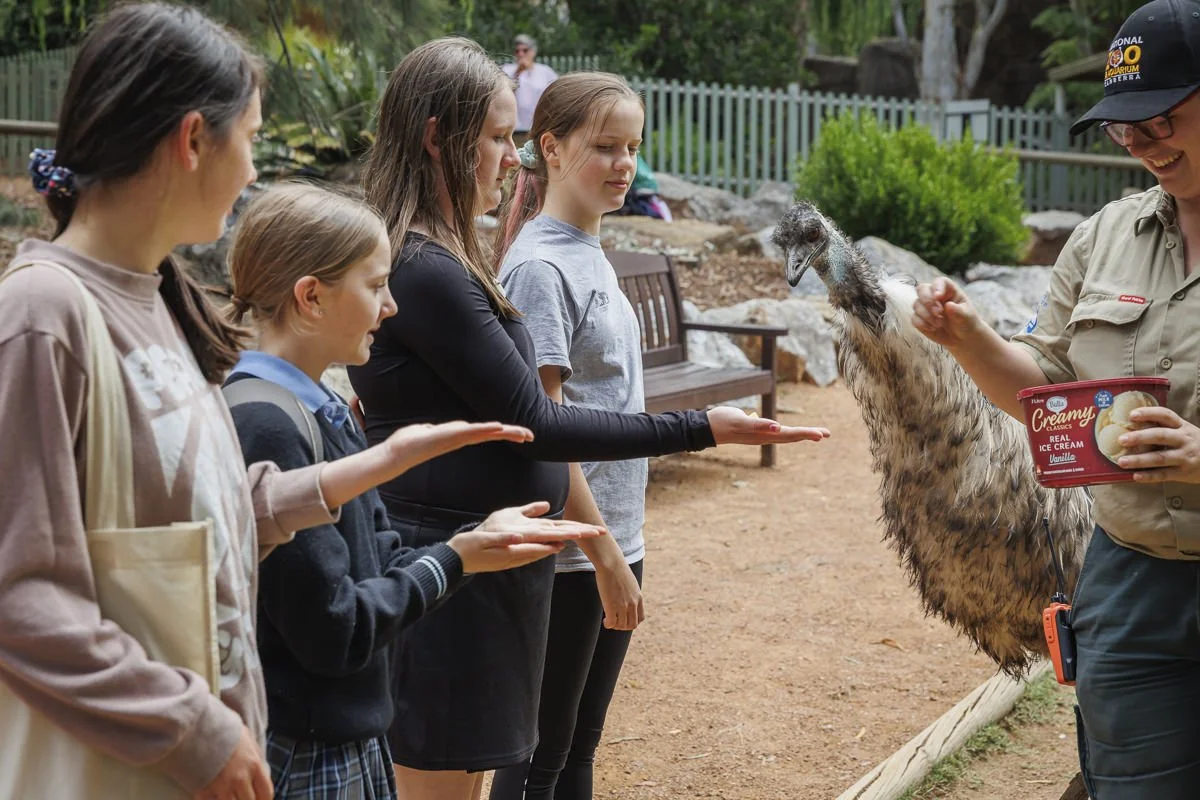
Be inspired to connect to and conserve the natural world through their exciting and interactive educational experiences.
Self-guided (Suitable for: Year levels Kindergarten – 12)
This product includes all day admission and the group is free to stay until close of business at 5.00pm.
Anything and Everything – General Tour (Suitable for: Year levels 3-12)
A general tour filed with fascinating animal facts, contemporary issues in conservation and glimpse into the everyday intricacies of running a zoo. Led by student inquiry on the day, or prearranged with the teacher, this tour can be highly personalised to the needs of your students or curriculum.
Discovery Learning Session – Living & Non-living (Suitable for: Year levels Kindergarten – 1)
Explore the characteristics, needs and uses of living things by inquiring about their noticeable features of living things. Students will meet one of our friendly reptiles and compare their needs with other animals in the zoo.
Learning Outcomes
ACSSU002 – explores the basic needs of living things such as food and water.
ACSSU017 – highlights that living things have a variety of external features.
Discovery Learning Session – Ecosystems (Suitable for: Year levels 3-12)
This session covers general information on how all life is connected through various ecosystems, food chains and natural cycles. Visit a variety of zoo animals that are interconnected in unique and unexpected ways!
Stage 2:
ACSSU073 – acknowledge that living things depend on each other and the environment to survive.
Stage 5:
ACSSU175 – highlights that multi-cellular organisms rely on coordinated and interdependent internal systems to respond to changes to their environment.
ACSSU176 – establishes that ecosystems consist of communities of interdependent organisms and abiotic components of the environment, matter and energy that flow through those systems.
Discovery Learning Session – Endangered Species (Suitable for: Year levels 5-6)
An in depth examination of the variety of ways human actions can impact animals in the wild. Issues from habitat destruction, feral animals and climate change are discussed as well as actions students can take at home to help.
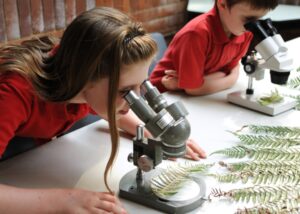
Visit our living classroom to discover Australia’s rich natural and cultural heritage. The Gardens lets students explore the deep connections between people, plants and animals through guided enquiry and hands-on learning experiences.
DIY: Teacher Guided Visit (Suitable for: Year levels Kindergarten-12 / Tertiary)
The Gardens are an outdoor classroom for everyone. Schools are welcome to wander and learn at their own pace. It’s also a great place to have lunch and spend some extra time between attractions.
There is no charge for school groups to visit the Gardens and explore. However, bookings are essential for safety reasons.
We also have a range of resource material that self-guided groups can use to explore the Gardens.
Whether you have a curriculum to follow or just want to enjoy a day in the great outdoors, a teacher-guided visit is the perfect way for your school to explore the Gardens.
Around Australia in a Hour (Suitable for: Year levels 3-12 / Tertiary)
Have you ever walked across Australia in an hour? Experience the sights, sounds and smells of Australia’s ecosystems, from subtropical rainforests to the dramatic desert scenery of the Red Centre Garden. This fascinating stroll through our country’s landscapes explores how the Australian environment has shaped our unique plants.
Indigenous Plant Use: Food, medicine & tools (Suitable for: Year levels 3-12)
Follow the Aboriginal Plant Use Trail to learn about the importance of country and culture to Indigenous Australians.
This eye-opening activity explores how Indigenous people use resources from the bush around them to survive.
You’ll also examine the importance of looking after the land, plants, animals and traditional practice to maintain a living culture and country for future generations.
Pond Dipping: Habitats & lifecyles (Suitable for: Year levels 3-6)
Get hands-on to investigate the teeming life in the Gardens’ freshwater ponds. Examine your catches by eye before investigating every hair and claw in detail under our microscopes.
Can you work out who feeds on who? Classify and categorise your findings into a simple food web.
Twilight Tours (60 or 90 minutes – weekdays) (Suitable for: Year levels 3-12 / Tertiary)
Unlock the garden gates and shine a spotlight onto a whole new world.
Visit the Gardens after closing time to experience the sounds, smells and textures of the Gardens in the dark. Uncover the stories of our native plants and spy for nocturnal wildlife as you explore from the Rainforest Gully to the Red Centre Garden.
This is a great evening activity for local and interstate schools, scouts, guides and other groups.
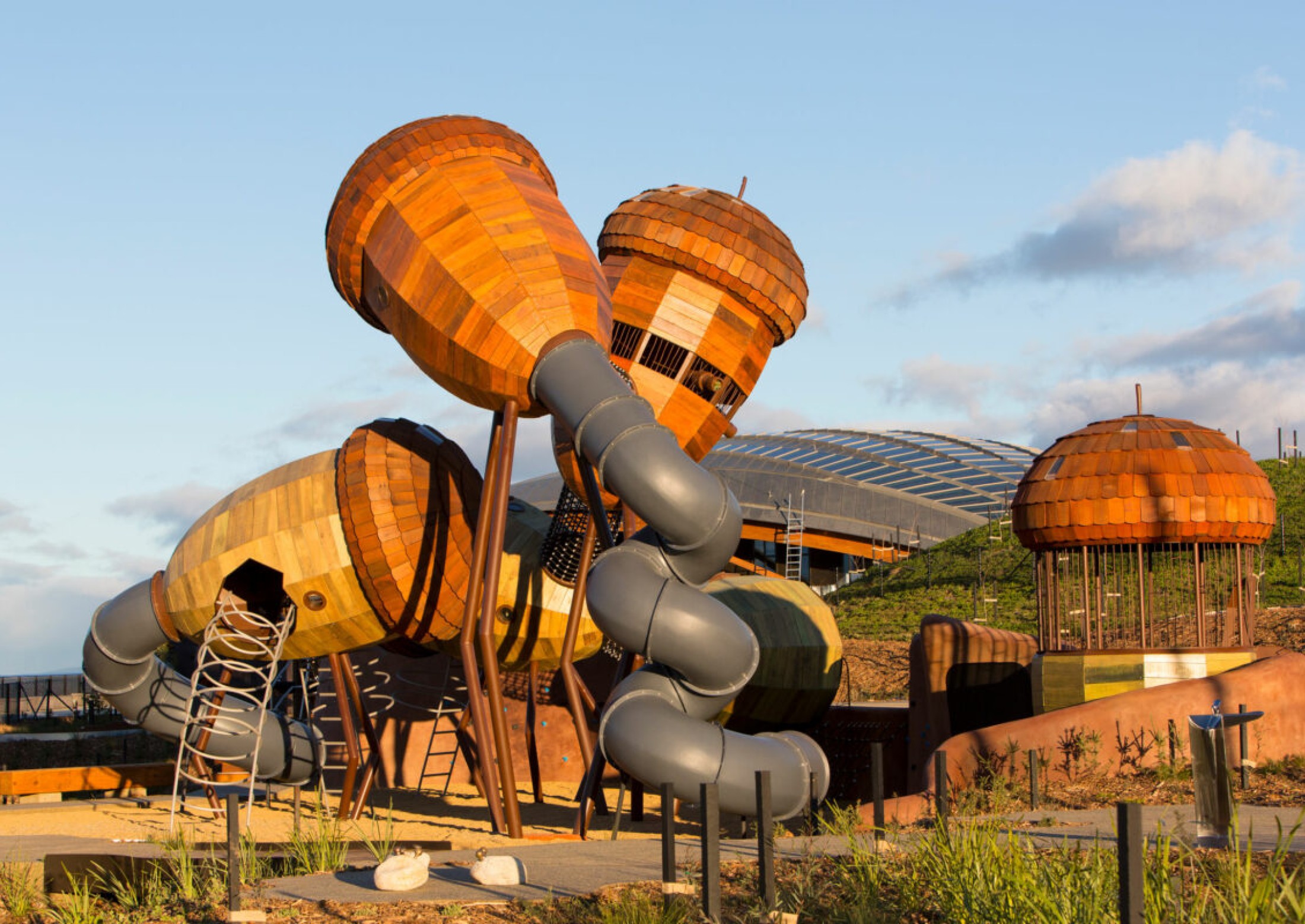
The Arboretum offers a range or educational experiences for students, including facilitated walks, coach tours and self guided trails. All programs are aligned with science, sustainability or geography curricula. Facilitated walks take students into the forests to learn about the trees and the role of the Arboretum in global conservation.
Self-guided Visit (Suitable for: All levels)
The National Arboretum Canberra is the perfect place to stop and refresh with the very popular Pod playground (pictured above), National Bonsai and Penjing display and gardens. Stay as long as you like to experience the wide open spaces, spectacular views, self guided walking trails and to enjoy lunch.
Orienteering (Suitable for: Primary / Secondary)
Take advantage of the wide open spaces at the Arboretum and challenge your students in the fun and engaging activity of orienteering. They will work together to read maps, search for markers and problem solve. The activities can be adapted to suit the group.
The Wood Wide Web (Suitable for: Year levels 5-10)
This engaging interactive program will challenge how your students understand and think about forest systems. Forest ecosystems can be millions of years old, and for centuries the assumption has been that a forest is made up of individual trees and plants. Scientific research has uncovered that forests are connected through a vast underground fungal network dubbed the Wood Wide Web.
Through a series of activities students will explore the important role forests play in the global carbon cycle, how and why trees collaborate within forest systems, and get tangled in an Australian woodland food web.
Kitemaking (Suitable for: Kindergarten / Primary / Secondary)
Decorate, create and fly your own kite on the grassy amphitheatre at one of Canberra’s most scenic locations. Students take their kites with them to fly again. We are still able to decorate and assemble the kites if the weather is unsuitable for flying.
Conserving our Forests (Suitable for: Year levels 5-12 / Tertiary)
Conserving Our Forests is an interactive game where small teams are tasked with creating a thriving woodland ecosystem native to Southeast Australia.
The teams will need to be strategic as they build their ecosystem one tile at a time into a large grid during several rounds. They are multiple strategies that each group could use to build their ecosystem and as they navigate through the game, they will discover the intricate relationships between various species, their habitats, and the delicate balance needed to maintain biodiversity.
The game is not just about winning, but also about understanding the importance of conservation and the role we can play in it.
Each team’s woodland functionality will be scored based on its diversity and the symbiotic relationships they manage to establish. While the team that constructs the most balanced and functional ecosystem will be declared the winner, every team’s ecosystem contributes to the entire group’s understanding of the fascinating and multifaceted aspects involved in forest conservation.
“Conserving Our Forests” is more than just a game; it’s an engaging and interactive learning experience. So, gather your team and let’s start building woodland ecosystems!
Water and Sustainability (Suitable for: Year levels 10-12 / Tertiary)
The Arboretum is home to over 40,000 trees. What do our trees need to survive and thrive? How do we manage to get water to all of our forests? How do we know what to water and when? This guided walk explores the strategies and systems put in place to manage water onsite, with the end goal of having a sustainable water supply. We also look at soil and tree health and how we are dealing with pests and diseases.
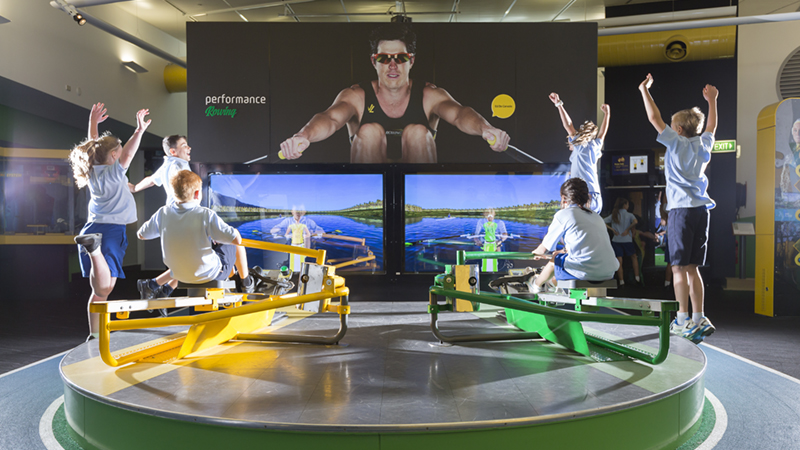
The AIS in Canberra offers a unique opportunity to experience Australia’s high-performance sports hub.
Guided Tour & Sportex
Join them for an engaging 90-minute guided tour of the Australian Institute of Sport (AIS), where your group can explore the world of elite athletes and discover our rich sporting history. Students will learn what it takes to reach the top, gain insights into the daily lives and training routines of high-performance athletes, and uncover inspiring stories of sporting excellence. They may even spot some of Australia’s top athletes in training!
Every tour includes access to Sportex, an interactive exhibit where people of all ages can come together to have fun and immerse themselves in the rich history of Australian sports. At Sportex, you’ll find numerous engaging and interactive displays waiting for you to explore. Whether you’re shooting hoops, kicking a footy, or trying your hand at various sports challenges, you’ll discover how much fun being active can be.
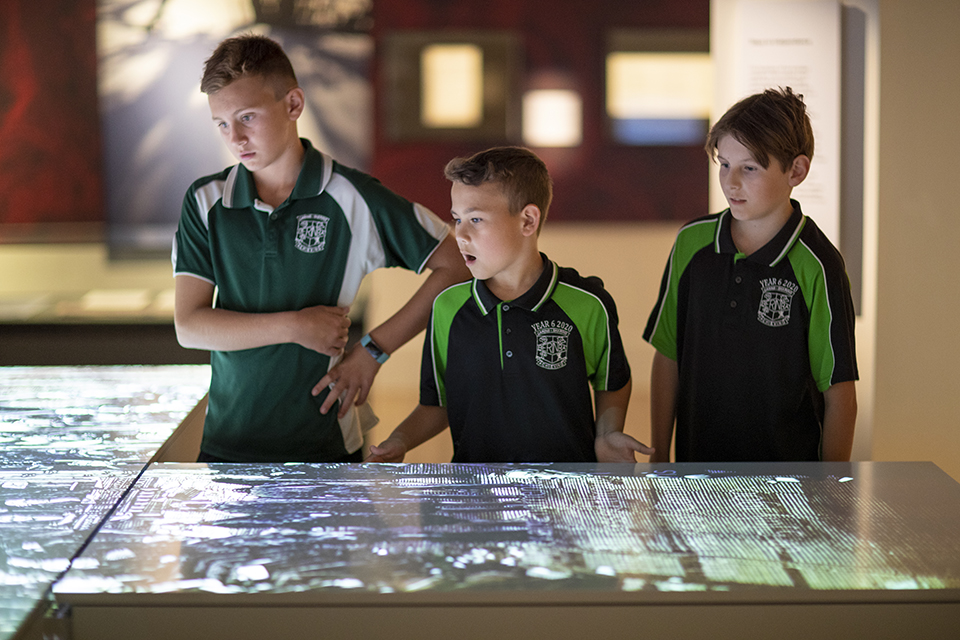
Visit the National Archives of Australia to uncover stories told by their records about key events and decisions that have shaped Australia since Federation.
See the past, be the future (Suitable for: Year levels 4-7)
Your Civics and Citizenship education starts here! This facilitated education program allows students to investigate Australia’s founding documents not normally on display to the public. Our educators will introduce students to a treasure trove of documents about Australian history using inquiry and experiential strategies.
Students will:
- Learn about experiences of Australian Federation including the struggle for rights for Aboriginal and Torres Strait Islander Peoples.
- Connect with migration stories from the 20th century and investigate the White Australia Policy and racial exclusion by participating in a dictation test.
The right to speak, the courage to listen (Suitable for: Year levels 8-12)
In this facilitated program, students will investigate the formation of Australia’s identity by exploring community voices which were either included or excluded from Australia’s historical narrative.
Students will:
- View significant archival records to uncover Aboriginal and Torres Strait Islander Peoples’ struggles for Constitutional recognition and other events and figures that shaped our history.
- Learn the origin and purpose of primary sources to understand the relationships between individuals, communities and government.
- Investigate government policies designed to limit non-British migration to Australia.

The National Museum of Australia is a social history museum. We explore the land, nation and people of Australia. We focus on Indigenous histories and cultures, histories of European settlement and our interaction with the environment.
Meet the People (Suitable for: Year levels 3-12)
Meet the People is a Museum Educator facilitated program in which students are introduced to the life of a fascinating Australian through key objects and storytelling. Students explore a selection of the Museum’s galleries to find more examples of exciting and inspiring people and events in Australian history.
PACER Approved Program.
Making a Nation (Suitable for: Year levels 5-10)
Making a Nation is a Museum Educator facilitated program in which students investigate the theme of nationhood by handling objects and exploring the Museum’s galleries. Students have the opportunity to learn important aspects of Australia’s development as a nation, and discuss events and people they deem key in shaping Australia’s identity.
Tuesday–Thursday
PACER Approved Program
A Living Culture (Suitable for: Year levels Kindergarten – 10)
A Living Culture is a Museum Educator facilitated program which introduces students to the diversity of Aboriginal and Torres Strait Islander peoples, culture and life in Australia. Students use a range of objects to help understand Indigenous cultures and how they have evolved and adapted since 1788. Older students discuss and analyse the two vastly different cultures that collided upon the arrival of Europeans, and the impact this has had on Indigenous Australians.
Indigenous Rights and Freedoms (Suitable for: Year levels 9-12)
Indigenous Rights and Freedoms is a Museum Educator facilitated program in which students learn about several key Indigenous and non-Indigenous people involved in the struggle for rights and freedoms for Aboriginal and Torres Strait Islander peoples. Students identify how the struggle is shaped by global trends, such as the American civil rights movements, and consider the impact that changing attitudes have had on contemporary Australia.
PACER Approved Program
Country and Connection (Suitable for: Year levels 7-10)
Great Southern Land tells the story of the Australian continent as ancient and powerful – a land which is interconnected, life-giving and always changing.
PACER Approved Program
Deadly Defining Moments (Suitable for: Year levels 5-12)
In Deadly Defining Moments students are introduced to defining moments in Australia’s history, through the experiences of Aboriginal and Torres Strait Islander Australians.
Students explore the Museum’s galleries, using objects and displays to unpack how Aboriginal and Torres Strait Islander experience and activism connects with civics and citizenship in Australia.
PACER Approved Program
The Story of Country (Suitable for: Year levels 3-6)
Students will explore the story of the Australian continent as ancient and powerful – a land which is interconnected, life-giving and always changing.
PACER Approved Program
Hallyu! Teacher-guided tour (Suitable for: Secondary)
Dive into the world of Hallyu! The Korean Wave in this teacher-led visit to our summer exhibition at the National Museum.
Discover the history and events that have shaped South Korea’s global influence today and explore some of its most recognisable cultural expressions, including K-pop, K-drama, fashion and beauty, that have captured imaginations worldwide.
During this 60-minute session, teachers can lead students through more than 200 objects including historic material, K-pop costumes, film props, interactive dance displays and fandom stories, exploring connections to contemporary culture, media and social studies topics relevant to the secondary classroom.
Mature themes
This exhibition has lots of fun family friendly content, reflecting creative Korean culture in dance, music, fashion and cosmetics.
However, children must be accompanied by an adult throughout the exhibition as it includes some mature themes and imagery classified M and MA15+, not suitable for younger audiences.
One curtained section of the exhibition screens content from a film rated R18+ that is restricted to people 18 years and over. ID may be required.
Australian Stories, You Way (Suitable for: Year levels Kindergarten – 12)
Unlock Australian stories with a teacher-guided school tour at the National Museum of Australia! Journey through our diverse and captivating galleries and exhibitions at your own pace.
Explore the Great Southern Land gallery and discover the unique relationship between Australians and their environment, from our deep time history to more contemporary challenges.
Immerse yourselves in the rich cultures and histories of Australia’s First Nations peoples in the FirstAustralians gallery, gaining a deeper understanding of the world’s oldest continuous living cultures and the ongoing contributions made by First Nations people to our nation.
Step into the symbolic heart of the nation in the Garden of Australian Dreams, a unique landscape sparking conversation and contemplation – and don’t forget to explore our Christina and Trevor Kennedy Gardenin the Museum’s forecourt to learn about native plants and their traditional uses.

Discover the inner workings of the National Library of Australia, the world’s largest source of information about Australia and Australians.
Stack of Stories (Suitable for: Year levels 5-7)
- Learn about the National Library of Australia’s vast and varied collection through our Treasures and Exhibition Galleries.
- Explore how information has been shared throughout the Library’s history and into the future.
- Investigate the National Library’s role in Civics and Citizenship, information and visual literacy, and Australian writing and culture.
Online and Underground (Suitable for: Year levels 10-12)
- Discover how students can access our collections and use the National Library for research.
- Learn how to source imagery, sound and text through our website and explore our digitised collections.
- Understand the significance of primary sources and examine original documents, including some that have been recorded in UNESCO’s Memory of the World Register.

The NFSA’s mission is to collect, preserve and share Australia’s vibrant and diverse audiovisual culture as embodied by our evolving collection – reflecting who we were, who we are, and who we want to be.
Medial and Me (Suitable for: Year levels 4-7)
In this program students dive into the NFSA’s collection of over 4 million items, learning how to decode media texts to confidently navigate an increasingly digital world. Students develop their curiosity and critical thinking skills as they examine how media has evolved over time in its methods of influencing viewers.
This education program takes place in their newly opened Mediatheque space.
This is a PACER Alternate approved program.
A Night at the Movies (Suitable for: Year levels 4-10)
Join us for a night at the cinema! We have reserved access to the NFSA’s historic Theatrette for school groups to enjoy a personalised movie experience! Select a film from the Australian titles on offer to be played with a preshow reel where students will learn how films are projected and a fun selection of vintage ads from our collection. Students will also receive a sweet treat to enjoy during the screening!
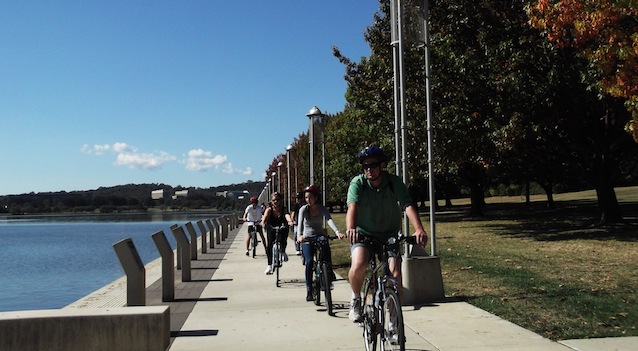
The Cycle Canberra team are there to make your Cycling experience fun and enjoyable. There are a number of cycling routes designed for both Primary and Secondary school groups.
Rohan and the team are there to ensure your ride goes as smoothly as possible.
Zone Bowling
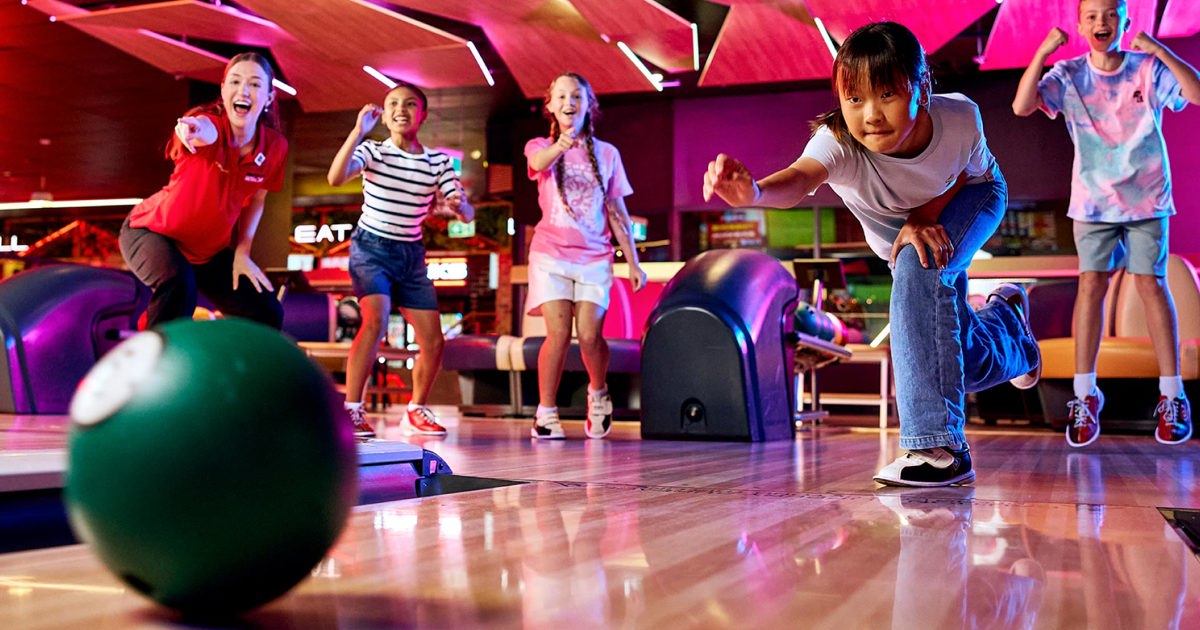
Suitable for all levels, Zone Bowling is a great way for students and teachers to unwind after an educational filled day and enjoy a laugh or two, whilst challenging their team mates, to see who can score the highest!
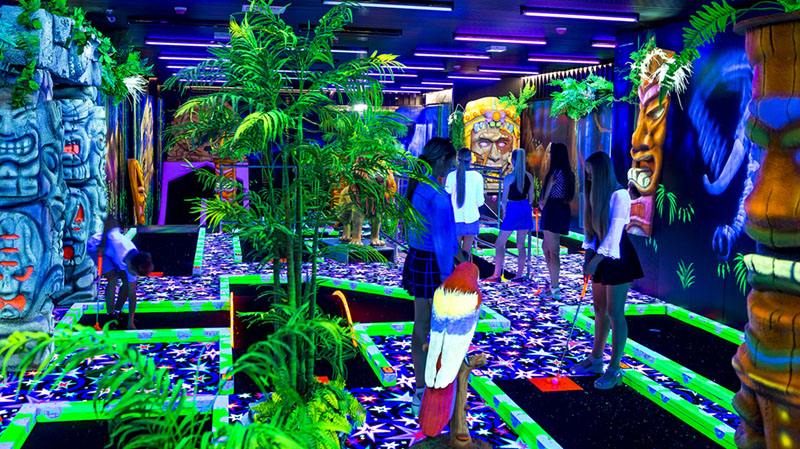
Glow in the Dark Jungle Mini Golf
Test your golfing skills in this 18-hole jungle themed minigolf course. Venture into this dark wonderland with African jungle masks on the walls, large parrots perched on palm trees and African animals at every turn. The course is illuminated by special UV lighting.
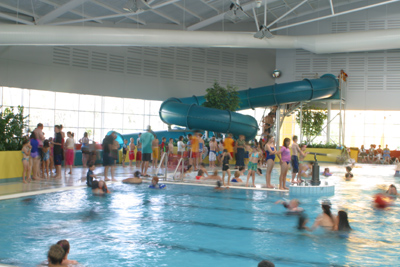
Canberra Indoor Sports & Aquatic Centre
Have a swim, go down the slides and make a splash, all in a supervised environment!
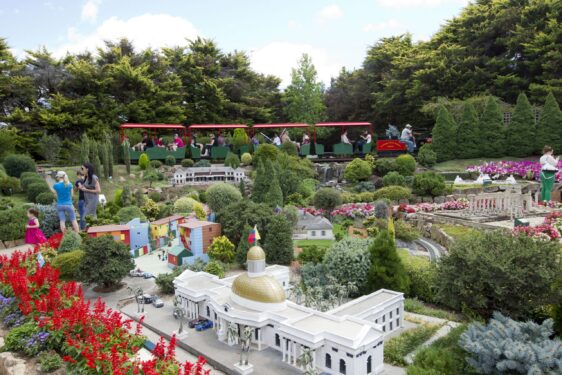
Cockington Green
Venture into this delightful and fascinating display of meticulously handcrafted miniature buildings from around the world. Set within beautifully landscaped gardens and view the 34 room dolls house ‘Waverley’.
National Dinosaur Museum
We offer an interactive insight into Earth’s long and dynamic history with the help of full skeletons, skulls, more than 50 lifelike model dinosaurs, as well as robotic dinosaurs that move, roar, blink, and breathe. We offer students an insight into Australia’s prehistory, the biology of dinosaurs, and the science behind what we know about them today.
Tours are tailored to suit all ages of primary and secondary students, and bring a unique insight into dinosaur biology and evolution in a fun-filled, interactive experience. The interactive experiences encourage students to extend their learning at the museum; after a formal discussion at each key exhibit guides provide time for students to explore, touch hands-on fossils and specimens, ask questions, and take photos.

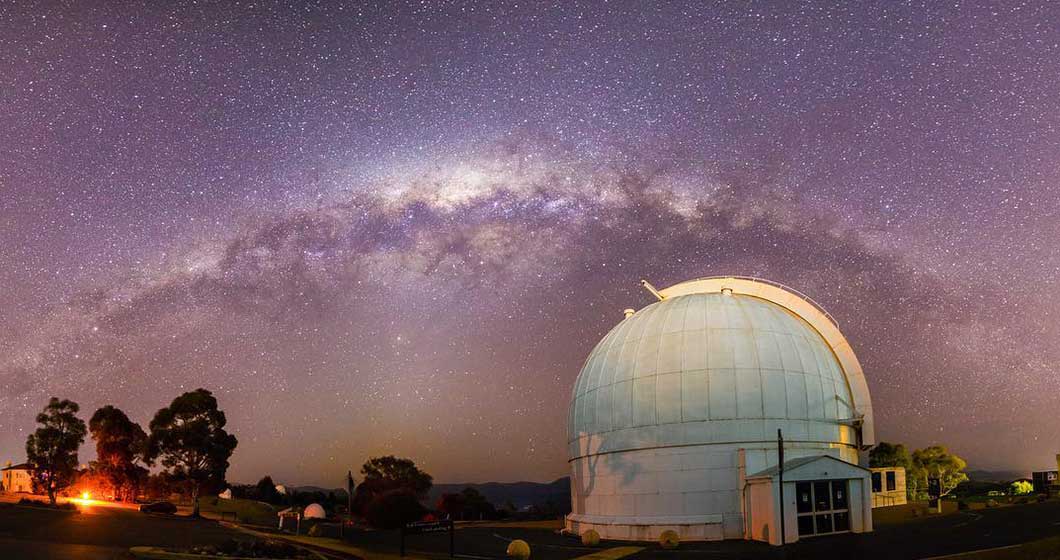
Mount Stromlo Observatory
Offering 1 hour, 1.5 hour and 2 hour visits for both day and night excursions, Mount Stromlo offers something different to the norm!
A typical evening visit starts with a welcome by professional astronomers, followed by a behind-the-scenes tour of research buildings, viewing the labs where instruments for the Giant Magellan Telescope are being built, our Laser Space Debris Telescope, a 250kg meteorite, Professor Brian Schmidt’s Nobel Prize and more.
A stargazing session using our outreach telescopes is followed by a Question & Answer session with astronomers.
Students may also participate in hands-on activities in the Visitor Centre.
What Makes Our Canberra School Tours Special
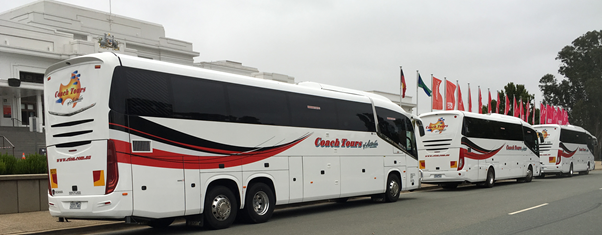
As experienced school tour operators, we handle all details of your educational tour journey, from personalised itineraries to professional drivers.
Hear From Our Happy Travellers

Contact Us
Have questions or need a quote? Call us today or send us a quick message we’ll respond within one business day.
"*" indicates required fields